
How to Write a Burn Plan: A Step-by-Step Guide
A written burn plan turns a good idea into a defensible, repeatable process. Here's what belongs in one, in what order, and why permitting authorities and insurers want to see it.
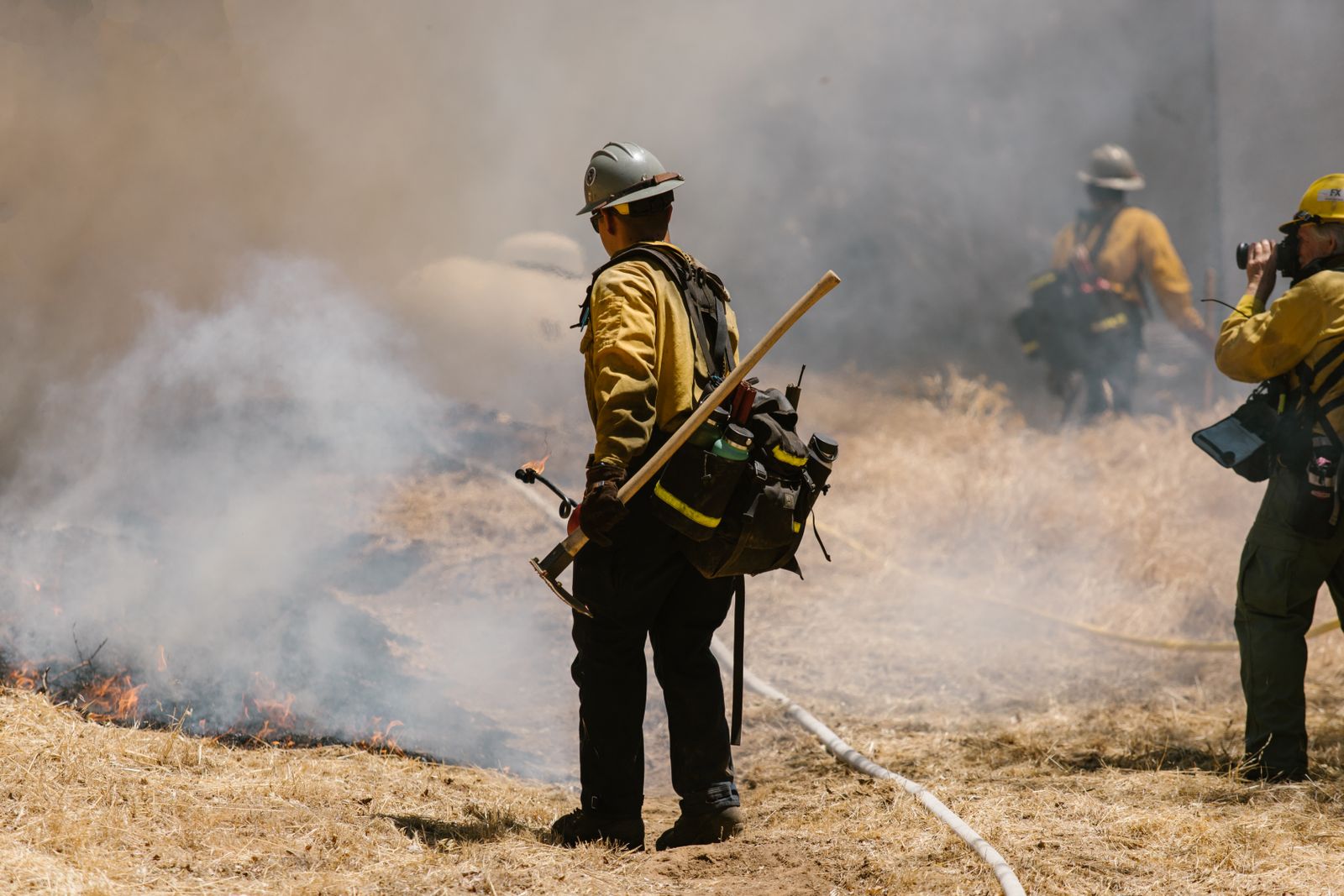
A burn that goes right on the ground can still go wrong on paper. If you can't produce a written plan when a permitting officer, insurer, or neighbor asks for one, you don't have a controlled burn — you have a fire you got lucky with. A burn plan is what turns intent into something defensible.
What a Burn Plan Actually Does
A burn plan is a written record of what you intend to do, why, and how you'll handle it if conditions change. It documents your objectives, the weather window you're waiting for, the crew and equipment on hand, and the specific steps you'll take if the burn threatens to leave the unit. Permitting authorities use it to decide whether to issue a burn permit. Insurers use it to determine liability if something goes wrong. And you use it, in the moment, as the checklist that keeps a stressful day from turning into a chaotic one.
The Core Sections Every Plan Needs
Most burn plans, regardless of jurisdiction, cover the same ground:
Objectives — what the burn is meant to accomplish, whether that's fuel reduction, habitat management, or agricultural clearing.
Burn unit description — acreage, fuel type and load, topography, and adjacent land uses.
Weather prescription — the acceptable ranges for wind speed and direction, temperature, relative humidity, and mixing height.
Firebreaks and control lines — where they are, how wide, and how they'll be maintained during the burn.
Ignition plan — ignition method and pattern, and the order in which sections of the unit will be lit.
Crew and equipment — who's on site, what roles they hold, and what suppression equipment is staged and where.
Smoke management — sensitive receptors nearby and how smoke dispersal will be monitored and managed.
Contingency plan — the specific trigger points and actions if the burn threatens to escape the unit.
Setting Your Weather Prescription
The weather prescription is the section permitting authorities scrutinize most closely, and for good reason: it's the difference between smoke that lifts and disperses and smoke that settles on a highway. Set ranges, not single numbers — a wind speed of "8 to 15 mph from the northwest," not "10 mph." Include mixing height and transport wind speed if your jurisdiction's smoke management program requires them, since these determine whether smoke will loft away from the burn or pool near the ground. Build in enough margin that a small forecast miss doesn't put you outside your own prescription on burn day.
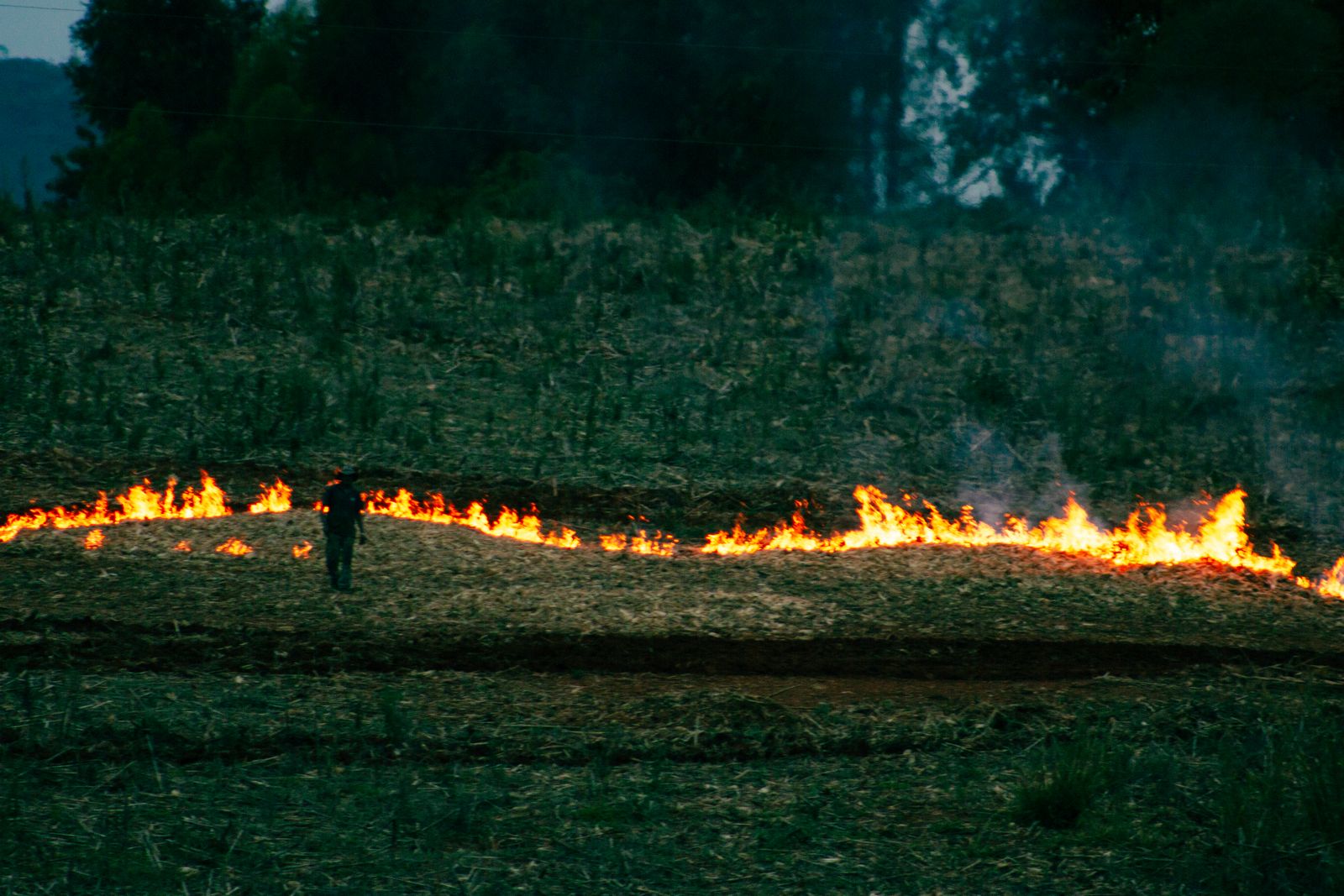
Contingencies: Plan for the Burn That Doesn't Go as Planned
Every plan needs a clear answer to "what if this crosses the line." That means predetermined trigger points — specific wind shifts, spot fires beyond a certain distance, or humidity drops — paired with specific actions, not vague ones. "Call 911 if needed" is not a contingency plan. "If a spot fire ignites more than 50 feet beyond the control line, Crew Member B deploys with the Type 6 engine staged at the north access road while Crew Member A notifies dispatch" is. Name the people, name the equipment, name the trigger.
Keep It as a Living Document
A burn plan isn't something you write once and file away. Update it if crew changes, if a new structure goes up near the unit, or if you're returning to a unit you haven't burned in a few seasons and fuel conditions have shifted. The plan you submit for a permit should be the same one your crew is holding on burn day — not a version that's quietly gone stale.
This article is for general education and does not substitute for your local fire authority's permitting requirements or a professional burn plan review. Always confirm requirements with your local or state forestry agency before burning.