
BurnAtlas Blog
Guides and insights on planning safe, legal controlled burns
Using Fire to Reclaim Pastureland from Cedar and Brush Encroachment
How prescribed fire controls eastern redcedar and brush on pasture: the height thresholds where fire stops working, how much fine fuel you actually need, why grazing deferment comes first, and what a realistic burn interval looks like.
Read more →Slash Pile Burning for Woodlot and Timber Owners
A practical slash pile burning guide for woodlot owners: why pile construction matters more than burn-day weather, why dirt in a pile is the biggest single problem, how permit rules differ by county, and what the burn scar leaves behind.
Read more →Orchard and Vineyard Prunings: Burning vs. Chipping
In parts of California, burning orchard prunings isn't a choice anymore. Here's where prunings still qualify for a burn permit, what chipping actually costs per acre, and what nine years of UC Davis data says about the yield tradeoff.
Read more →Burning Near Power Lines, Fences, and Sheds: Safe Distances Explained
How far does a burn pile need to be from a shed, a fence, or a power line? Here are the setback numbers real agencies actually publish, why power lines are a special category, and how to measure clearance the way an inspector would.
Read more →Kids, Pets, and Burn Piles: Keeping Your Backyard Burn Family-Safe
Most backyard burn injuries to kids don't come from flames — they come from coals that look cold and aren't. Here's the safety zone, the supervision rule, and the pet precautions that actually prevent them.
Read more →Burning Wheat and Corn Stubble: Rules and Best Practices by Region
Whether burning corn or wheat stubble needs a permit, a phone call, or nothing at all depends entirely on which regulatory model your state uses. Here are the three models, what each one requires, and what the agronomy says about the cost.
Read more →Rice Straw Burning: Managing Air Quality Restrictions
Rice straw is the most tightly regulated crop residue in the country. Here's how California's disease-only conditional permit system works, what growers in Arkansas and Louisiana face instead, and what the research says about the alternatives.
Read more →What to Tell Your Neighbors Before a Burn Day
Telling your neighbors before you burn isn't just courtesy — in some states it's the law, and it's what keeps a smoke plume from turning into a 911 call. Here's exactly what to say, who else to call, and how far ahead to say it.
Read more →Fire Pits vs. Open Burning: Where the Legal Line Is
A backyard fire pit and an illegal open burn can look almost identical. Here's the size, fuel, and purpose test regulators actually use to tell them apart, and what still applies even when your fire is legal.
Read more →Prescribed Burning for Farmers: Managing Crop Residue and Pasture Land
How prescribed fire is used to manage crop residue and pasture, the real benefits, the tradeoffs, and how to plan a burn that fits your operation.
Read more →Burn Barrels: Are They Legal, and How to Use One Safely
Burn barrel rules run from a total statewide ban to a permitted farm tool, depending on where you live. Here's where burn barrels are legal, what's illegal to burn in one everywhere, and how to use an approved burner safely.
Read more →Why Afternoon Burns Are Riskier Than Morning Ones
Same fuel, same permit, different hour — afternoon burns run hotter, drier, and windier than morning ones. Here's the diurnal weather cycle behind that pattern, and why morning isn't automatically the safe choice either.
Read more →Composting vs. Burning: Which Is Better for Your Yard Waste?
Composting vs. burning yard waste, compared on nutrients, air quality, effort, and legality — plus when a burn pile is still the practical choice.
Read more →Reading a Fire Danger Rating Sign: What Low to Extreme Really Means
Those roadside signs running from Low to Extreme aren't decoration. Here's what each fire danger level actually describes, how the rating gets calculated, and what it should — and shouldn't — tell you about today's burn conditions.
Read more →How Overnight Humidity Recovery Affects Next-Day Burning
A dry night doesn't just feel dry — it leaves fine fuels primed for the next day. Here's what overnight humidity recovery actually measures, why some nights fail to reset fuel moisture, and how to check it before you commit to a burn day.
Read more →3-Day vs. 7-Day Burn Forecasts: Which Should You Trust
A 7-day forecast tells you a burn window might be coming. A 3-day forecast is where the numbers actually firm up. Here's how forecast accuracy really changes with lead time, and which forecast should decide your burn day.
Read more →Burning Yard Debris Safely: A Homeowner's Guide
A step-by-step guide to burning leaves, brush, and yard waste safely and legally, from permit to pile size to putting it out.
Read more →Mixing Height Explained: Why Smoke Doesn't Always Rise Like You'd Expect
Mixing height decides whether your smoke lofts away or hangs at ground level, and it isn't the same thing as wind speed. Here's what mixing height actually measures, why it swings hardest at sunrise and sunset, and how to read it before you burn.
Read more →How Drought Monitor Levels Affect Your Burn Window
The U.S. Drought Monitor's D0–D4 map tracks how dry your region is, but it rarely decides your burn ban by itself. Here's what the Drought Monitor actually measures, why it lags faster local tools, and how to read it alongside KBDI and your Burn Score.
Read more →Spring vs. Fall Burning: Which Season Is Right for Your Land?
Spring and fall both offer burn windows, but for different reasons. Here's how to decide which season fits your goals, land, and region.
Read more →Red Flag Warning vs. Fire Weather Watch: What's the Difference
A Fire Weather Watch means dangerous fire weather is possible in the days ahead. A Red Flag Warning means it's happening now. Here's what triggers each, how the criteria vary by region, and what to actually do.
Read more →Burn Bans vs. Burn Permits: What's the Difference
A burn permit says burning is allowed under normal rules. A burn ban overrides that entirely. Here's who declares each one, what changes when a ban is in effect, and how they differ from a Red Flag Warning.
Read more →Ceremonial and Bonfire Permits: Rules for Events, Weddings, and Gatherings
Planning a wedding or event bonfire? Here's how small ceremonial fires differ from permitted bonfires, what a bonfire permit application actually requires, and what can shut one down anyway.
Read more →Agricultural Burn Notifications: What Air Quality Districts Actually Require
A fire agency burn permit isn't the only approval you need. Here's how the separate air quality district notification and daily burn authorization process actually works.
Read more →Burn Permits After a Hurricane or Ice Storm: Emergency Debris Rules Explained
Hurricanes and ice storms leave mountains of debris behind. Here's how emergency burn permit rules actually work, and what's still illegal to burn.
Read more →5 Weather Mistakes That Turn a Controlled Burn Into a Wildfire
The weather-related mistakes that turn a controlled burn into an emergency call, and the wind, humidity, and warning checks that prevent them.
Read more →What Your Burn Permit Doesn't Cover: HOA Rules, Insurance, and the Cost of Skipping It
A state burn permit isn't the whole picture. Here's how HOA rules, insurance coverage, and the real penalties for skipping a permit fit in.
Read more →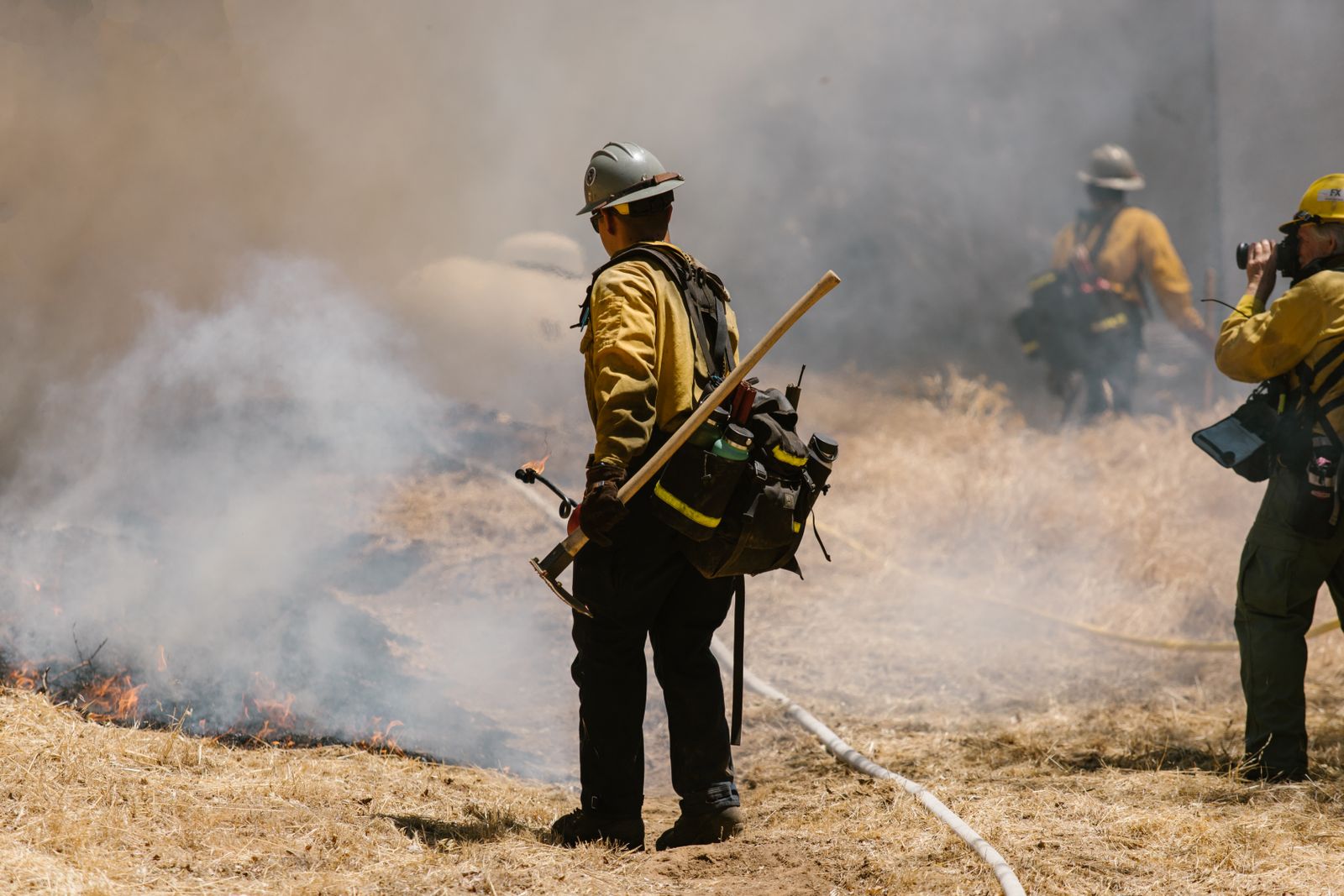
How to Write a Burn Plan: A Step-by-Step Guide
A written burn plan turns a good idea into a defensible, repeatable process. Here's what belongs in one, in what order, and why permitting authorities and insurers want to see it.
Read more →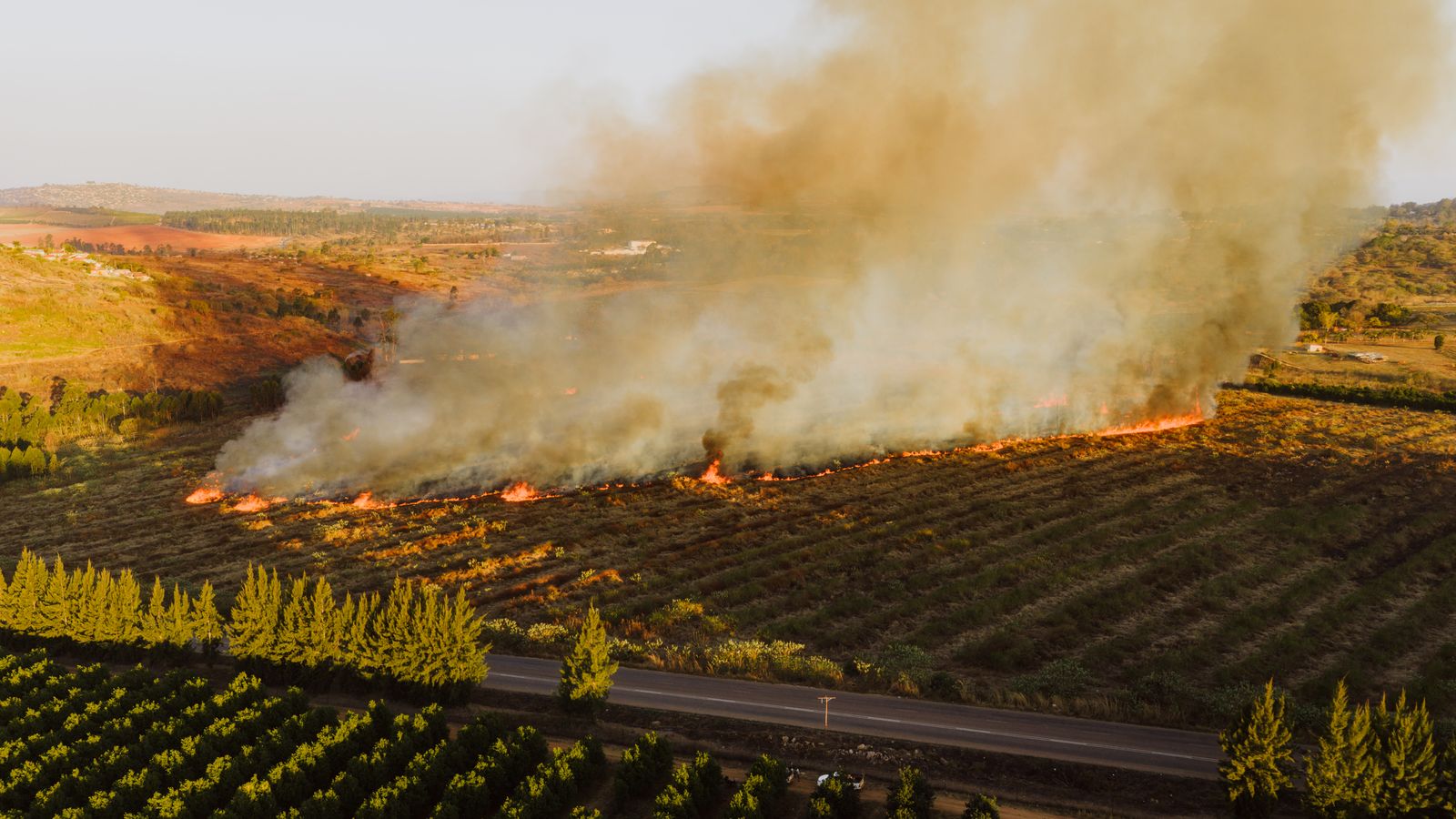
Smoke Management for Controlled Burns: Keeping Your Burn Legal and Your Neighbors Happy
Smoke is often the deciding factor in whether a controlled burn stays legal and neighbor-friendly. Here's how mixing height, wind, and timing shape where your smoke goes, and how to plan around it.
Read more →Controlled Burn Safety Checklist: Before, During, and After
A controlled burn is only as safe as its preparation and follow-through. Use this checklist to cover planning, ignition, and mop-up so your fire stays where you want it.
Read more →Firebreak Best Practices
A firebreak is the line between a controlled burn and a wildfire. Learn the main types, how wide they need to be, and how to build and maintain lines that actually hold.
Read more →What Is the Burn Score and How Does It Work?
BurnAtlas condenses up to nine weather factors into a single 0–100 Burn Score. Here is what goes into it, what the ranges mean, and how to use it without switching off your own judgment.
Read more →Burn Permits by State: A Complete Guide
Burn permit rules vary widely from one state — and often one county — to the next. Here is how to figure out what you need, who to ask, and how to stay on the right side of the law.
Read more →How to Read a Fire Weather Forecast
A fire weather forecast tells you far more than whether it will rain. Learn the key parameters — humidity, wind, mixing height, and dispersion — that decide whether a burn day is safe.
Read more →