
Smoke Management for Controlled Burns: Keeping Your Burn Legal and Your Neighbors Happy
Smoke is often the deciding factor in whether a controlled burn stays legal and neighbor-friendly. Here's how mixing height, wind, and timing shape where your smoke goes, and how to plan around it.
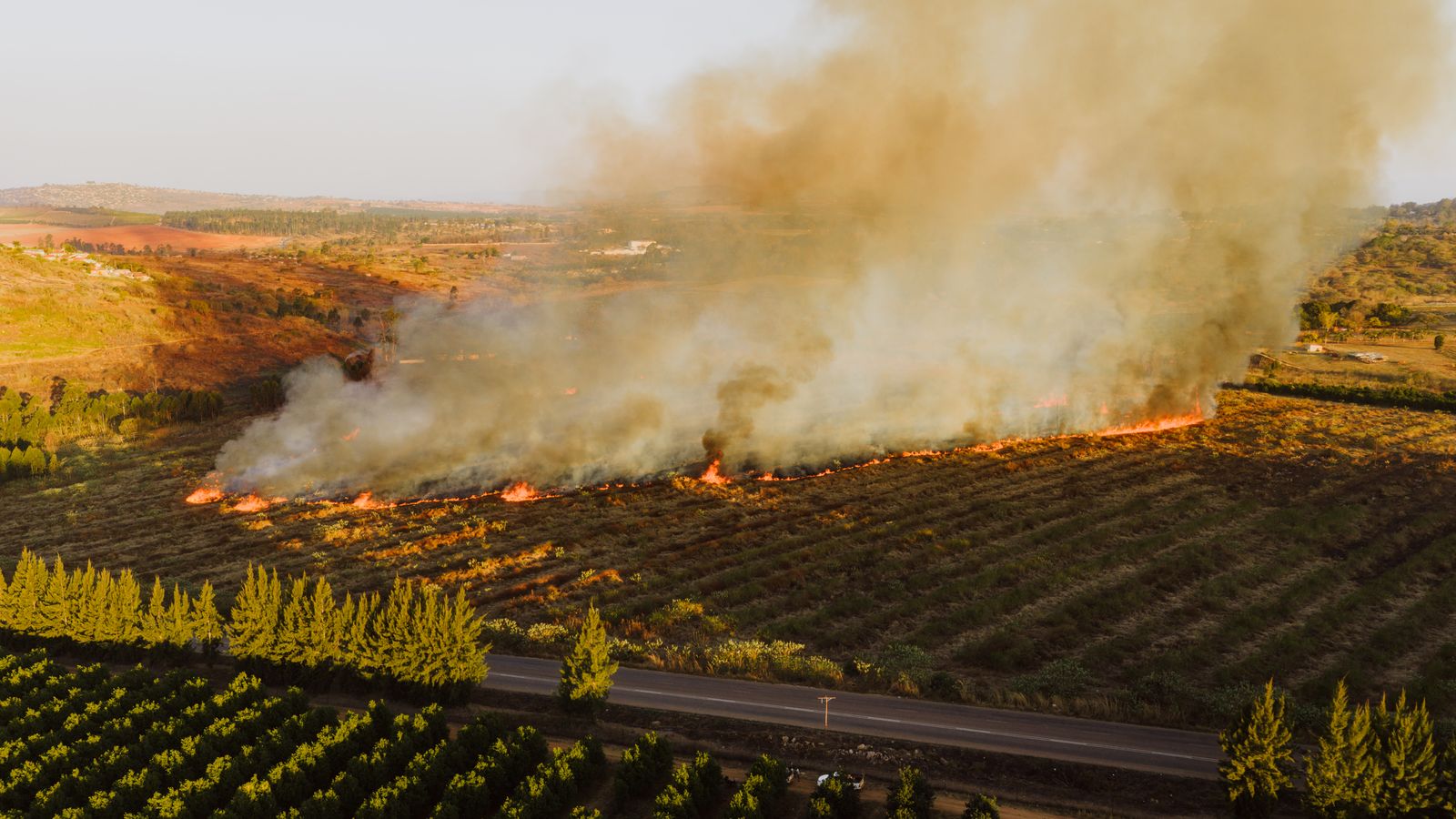
Every controlled burn produces smoke, and smoke is usually what turns a well-planned burn into a neighbor complaint or a regulatory problem. Fire behavior gets most of the planning attention, but where your smoke goes, and who it reaches, is just as often the deciding factor in whether a burn stays legal and welcome.
Why Smoke Is the Real Variable
Two burns with identical fuel and fire behavior can have completely different outcomes depending on what happens to the smoke column after ignition. Smoke that lofts and disperses cleanly draws little attention. Smoke that settles into a valley, crosses a highway, or drifts into a neighborhood can trigger complaints, road-visibility hazards, and calls to the fire department, even when the burn itself is executed exactly to plan.
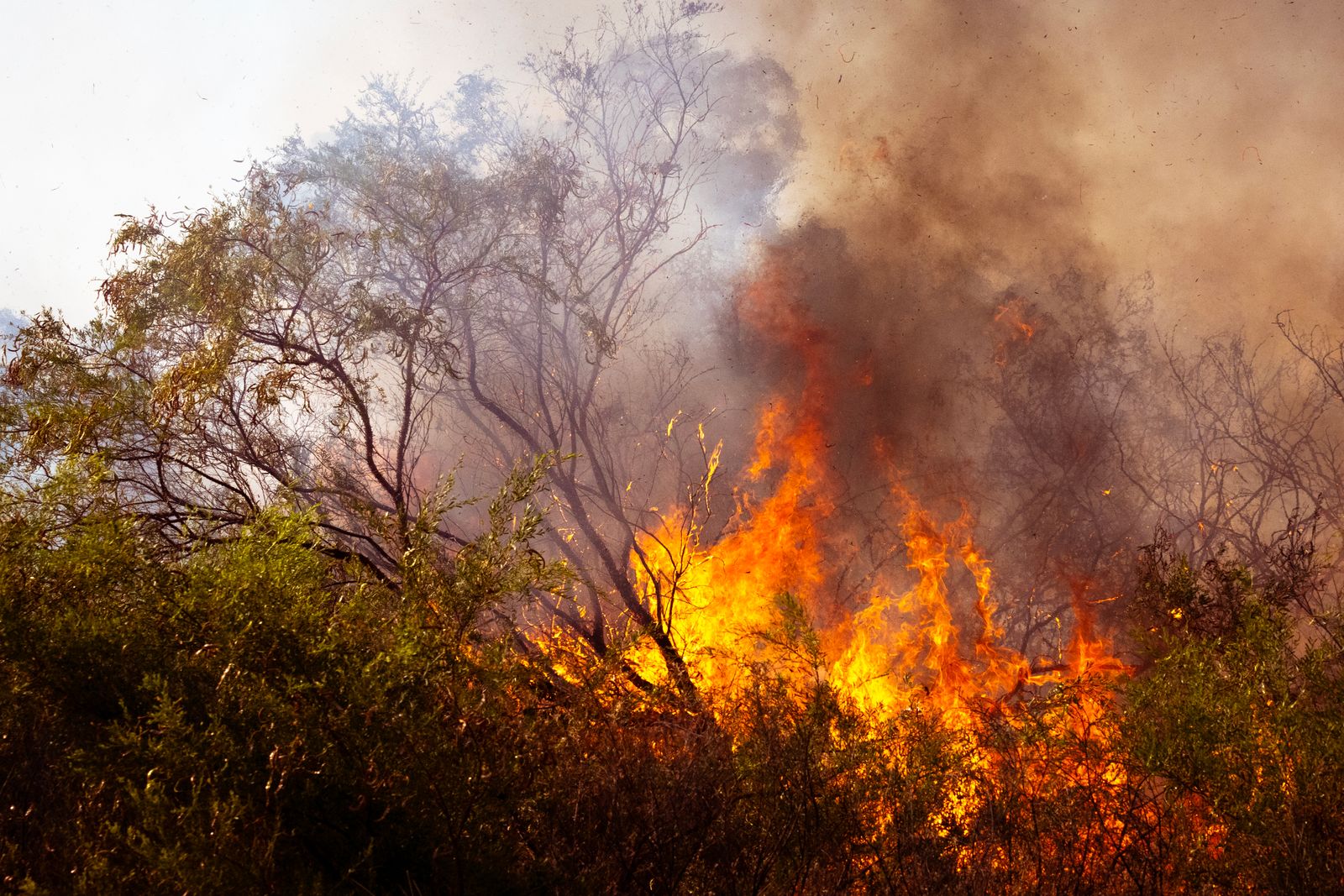
The Weather Factors That Move Smoke
Four factors do most of the work in determining where smoke ends up:
Mixing height, the depth of the atmosphere available to mix and dilute smoke. A low mixing height traps smoke near the ground.
Ventilation rate, the combination of mixing height and transport wind speed that determines how quickly smoke clears an area.
Wind direction and consistency, which decide who is downwind. Shifting or light, variable wind is harder to plan around than a steady wind away from sensitive areas.
Atmospheric inversions, layers of warm air that cap the lower atmosphere and stop smoke from rising and dispersing, common in the early morning and evening.
Know Your Smoke-Sensitive Receptors
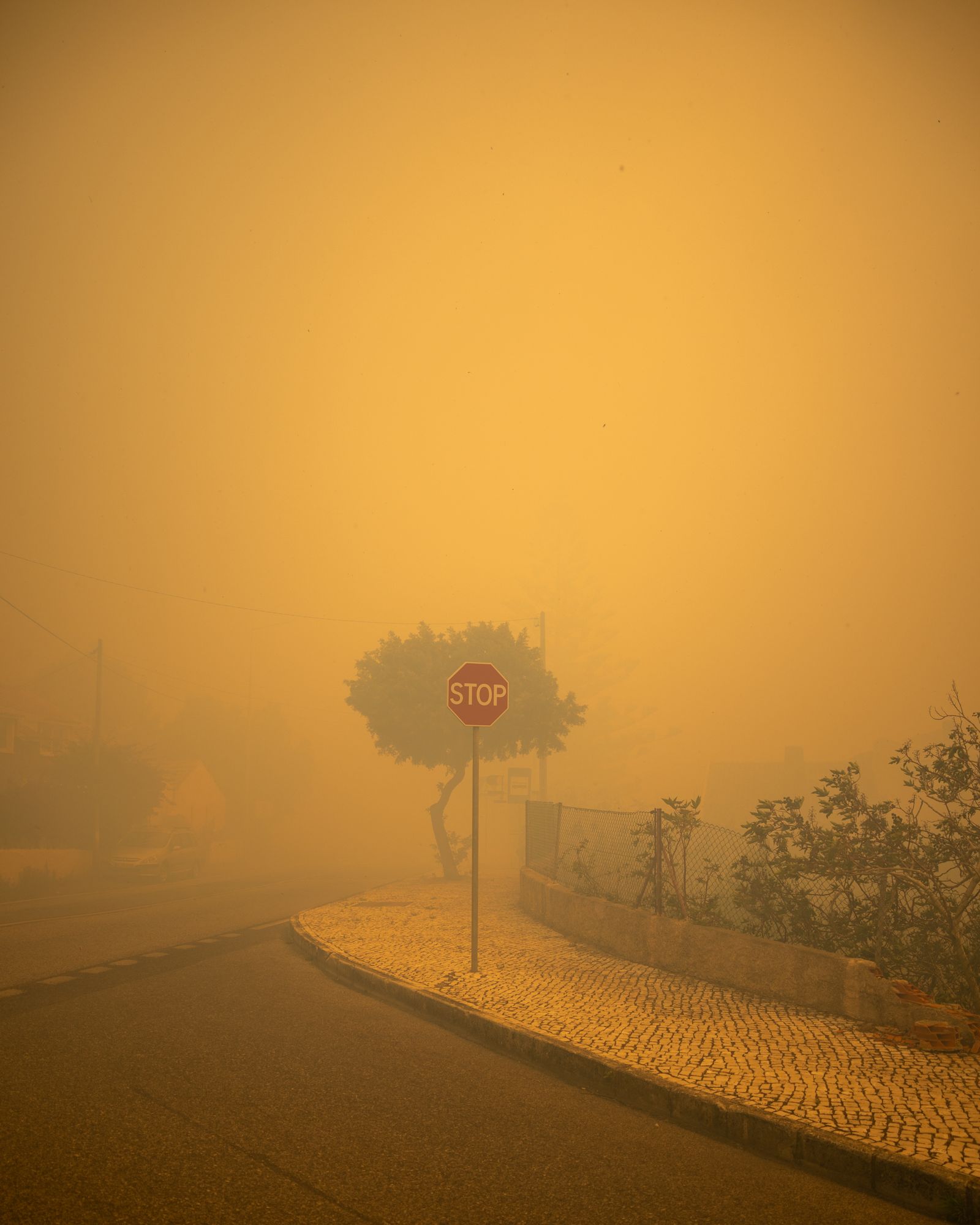
Before you burn, map who and what is downwind. Sensitive receptors include homes, schools, hospitals and nursing facilities, roads and highways where smoke can reduce visibility, and airports. Distance helps, but terrain matters too: smoke can pool in low-lying areas and travel further than expected along drainages after sunset, when the air stabilizes. Keep a written list of sensitive receptors near each burn unit so you can check them against the forecast wind direction every time.
Planning a Burn Around Smoke
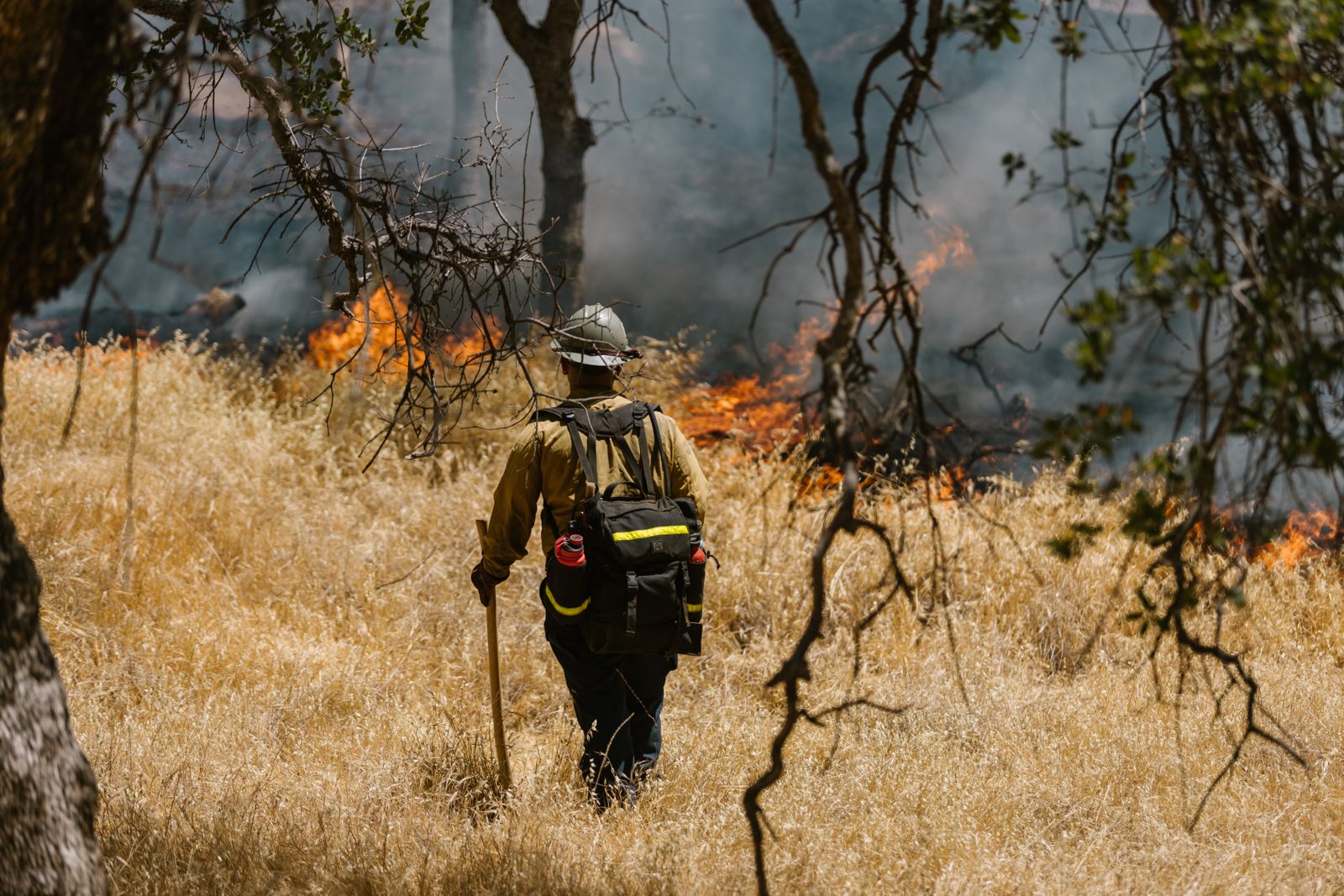
A few habits separate burns that stay quiet from burns that generate complaints:
Check the smoke dispersion forecast, not just the fire weather forecast, for the day you plan to burn.
Notify neighbors and the local fire department before you light, even when it is not required. A courtesy call prevents a wildfire call.
Time ignition for good ventilation, typically mid-morning after the inversion breaks, rather than at first light or after sunset.
Keep records of the forecast, notifications, and conditions on the day of the burn, in case a complaint or investigation follows.
Smoke Complaints and Liability
Even a permitted, well-executed burn can generate a smoke complaint, and in most jurisdictions a nuisance complaint is handled separately from your burn permit. Repeated or serious complaints can draw scrutiny, and if smoke crosses a road and contributes to a collision, or reaches a school or hospital, liability exposure goes up substantially. Good documentation, your forecast checks, notifications, and burn log, is your best protection if a burn is ever questioned after the fact.
Good dispersion doesn't happen by accident. It gets planned for, on purpose, every time you burn.
BurnAtlas builds mixing height, ventilation rate, and wind data directly into your Burn Score, so you can see dispersion conditions alongside fire weather in one place before you commit to a burn day.
This article is general guidance, not legal advice. Smoke management rules vary by state and county, always confirm requirements with your local permitting authority.