
Burning Native Warm-Season Grass and CRP: Timing the Fire to the Grass
Native warm-season grasses respond best to fire right as they start to grow, but CRP rules, nesting seasons and paperwork all crowd that window. I lined up the dates and steps so you can see how narrow the window is and how to plan for it.
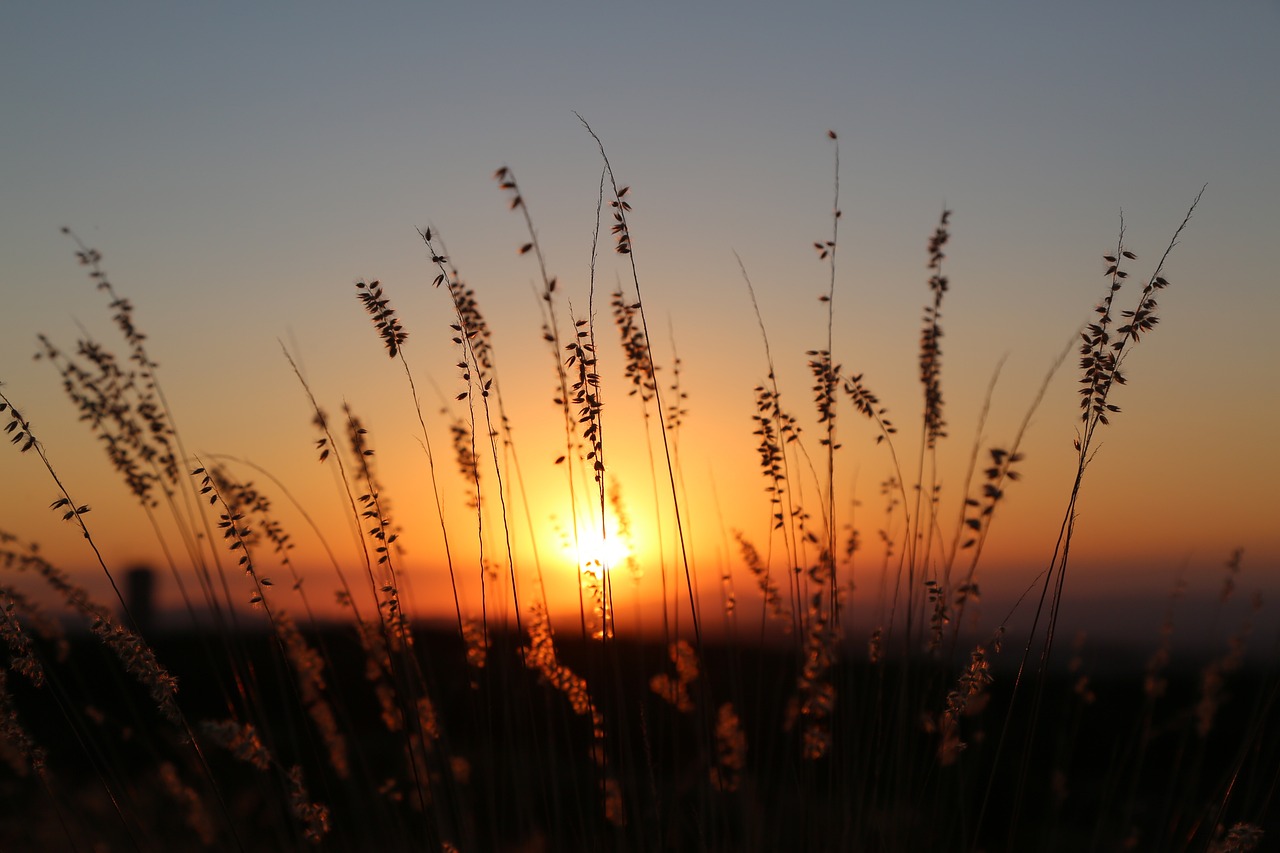
Native warm-season grasses like big bluestem, switchgrass and Indiangrass evolved with fire, and they show it. Burn them at the right moment and they come back thicker, while the cool-season grasses, weeds and young trees that crowd them get knocked back. Burn at the wrong moment and you mostly help the competition. On CRP ground, there's a second clock running on top of the biological one: program rules and deadlines. I wanted to see how those two clocks line up, so I put the dates from extension and agency guidance side by side. The window turned out to be narrower than I expected.
Why timing matters so much
Warm-season grasses do most of their growing in late spring and summer. Cool-season grasses like brome and fescue, and many weeds, get a head start in early spring. A fire timed when the warm-season grasses are just waking up hits the cool-season plants while they're actively growing and spending energy, and catches the natives at the moment they're best able to recover.
University of Nebraska's CropWatch puts it simply: "The best time to burn warm-season grasses is when they just start to grow, usually in late April to early May" (UNL CropWatch). The same guide notes that fire "can also reduce the invasion of woody plants, weeds, or cool-season grasses into warm-season grasslands," and can "enhance wildlife habitat, and improve forage quality."
That late-April-to-early-May timing is for Nebraska. Further south it comes earlier, further north later. The principle is the same everywhere: burn when your warm-season grasses are just starting to green up.
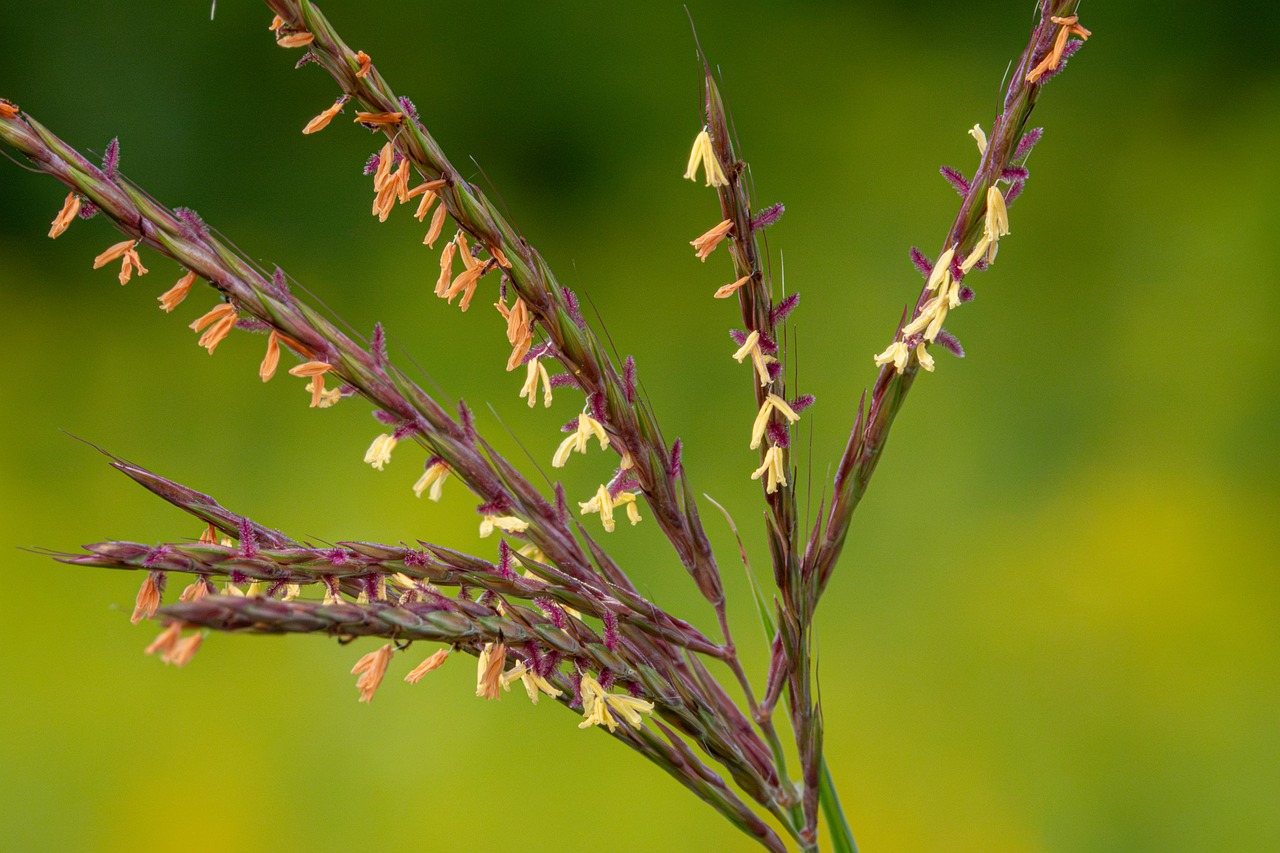
Big bluestem, one of the main native warm-season grasses. Its three-branched "turkey foot" seed head is easy to spot in late summer. Photo: Pixabay.
The CRP clock
CRP ground adds its own rules. Most CRP contracts are long-term, "often covering 10 to 15 years," and burning is one of the mid-contract management practices used to keep stands healthy, as an Indiana DNR biologist explained to Farm Progress (Farm Progress). Without disturbance, CRP stands build up thatch and lose diversity over time.
South Dakota State University Extension spells out two rules that apply there (SDSU Extension via Drovers):
FSA "requires landowners to have a qualified burn plan prior to burning CRP."
"Landowners burning CRP must have the fire completed by the FSA spring burn cut-off date of May 15th."
It also gives a planning warning I didn't expect: "it may take up to a year to plan for a prescribed fire."
These dates are specific to South Dakota. Other states set their own, tied to the primary nesting season for grassland birds. Check with your local FSA office before you plan anything.
Lining up the two clocks
Put the Nebraska grass timing next to the South Dakota CRP cutoff and you can see the squeeze. If your warm-season grass starts growing in late April and your CRP burn must be done by May 15, your ideal window is roughly the first two or three weeks of May. Now subtract the days that are too windy, too dry, too wet or under a burn ban, and you may only get a handful of good burn days in a given spring.
That's why the planning has to start long before spring. Here's a timeline I put together from the guidance above:
When | What to do |
|---|---|
Up to a year ahead | Talk to FSA and NRCS about mid-contract management. Ask for your state's burn dates and plan requirements. |
Fall and winter before | Write the burn plan. Put in firebreaks. Line up crew and equipment, or a burn association. |
Early spring | Get the plan approved. Check permits. Tell neighbors. Walk the firebreaks. |
Green-up | Watch the weather daily. Burn on the first day that fits your prescription. |
Before the cutoff | Finish all burning. If you miss the window, you may have to wait a year. |
What about fall and winter burns?
Some landowners burn CRP or native grass in the dormant season instead. The landowner profiled in the Farm Progress piece "prefers to burn in the fall when he can," sometimes waiting "until late February or even early spring." Dormant-season burns remove thatch and are often easier to schedule, but they don't hit cool-season competitors as hard as a green-up burn does. Which one fits depends on your goals and your contract. Our post on spring vs. fall burning walks through the tradeoffs, and it's worth checking whether a dormant-season burn is allowed under your specific contract.
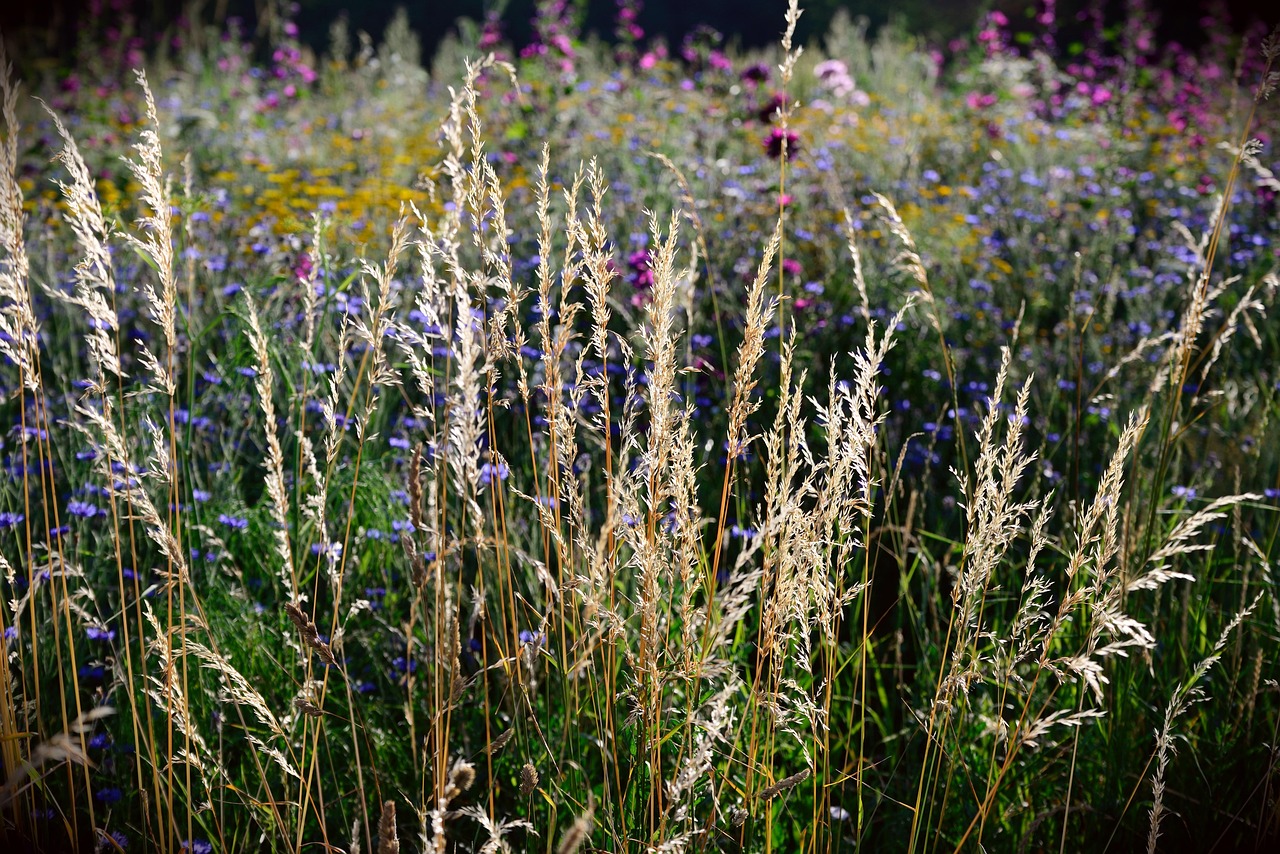
A diverse stand of grasses and wildflowers is the goal of most CRP management. Periodic fire helps keep it from turning into thatch and brush. Photo: Pixabay.
Practical points for grass burns
Grass burns fast. A dense stand of cured warm-season grass can carry a fast-running fire with long flames. Size your firebreaks accordingly. Our free firebreak width calculator can help.
Time of day matters. Spring afternoons get dry and gusty. Here's why afternoon burns are riskier.
Watch the neighbors' fields. CRP often borders cropland, hay and pasture. Let neighbors know ahead of time, using our guide on what to tell them.
Smoke and notifications. Some areas require burn notifications or have smoke rules. See agricultural burn notifications and smoke management.
Cost-share may help. NRCS's prescribed burning practice (code 338) requires a written plan covering weather, equipment, personnel, firing sequence and smoke (NRCS Practice 338 overview). Ask your local office about assistance.
Putting the dates side by side made one thing clear to me: for a green-up burn on CRP, the hard part isn't the fire, it's the calendar. The grass gives you a few weeks, the contract gives you a deadline, and the weather decides which of those days you actually get. Starting the paperwork a year early isn't overkill. It's the only way to be ready when that short window opens. I'd like to collect the CRP cutoff dates for every state in one table next. If that's useful to you, let us know.
Frequently asked questions
When should I burn native warm-season grass?
When the warm-season grasses are just starting to grow. In Nebraska, UNL CropWatch puts that at late April to early May. It's earlier further south and later further north.
Can I burn my CRP?
Burning is a common mid-contract management practice, but it needs FSA approval and a qualified burn plan. Check your contract and your state's burn dates with your local FSA office.
What is the deadline for burning CRP?
It varies by state. In South Dakota, SDSU Extension reports an FSA spring burn cut-off of May 15. Other states set their own dates around the nesting season.
Why burn grass instead of mowing?
Fire removes thatch, sets back cool-season grasses, weeds and young trees, and stimulates native warm-season grasses in a way mowing doesn't.