
Prescribed Burn Associations by the Numbers: Why Neighbors Are Burning Together
Burn associations have grown from one in 1995 to more than 140 today. I pulled the latest survey numbers on members, dues and acres burned, plus what you get, what you do not, and how to join or start one.
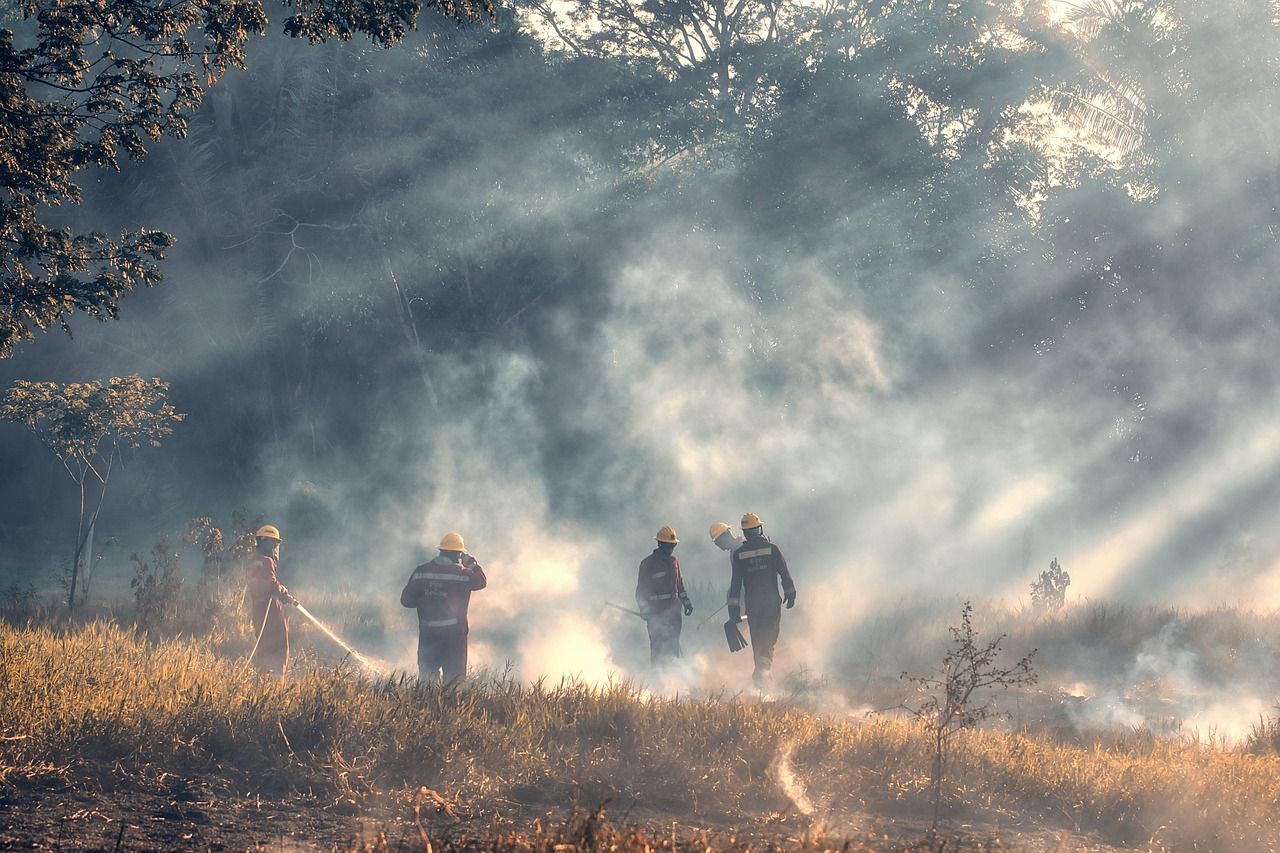
Burning your own land is a lot easier with six people than with one. That's the whole idea behind a prescribed burn association, and it's spreading fast. I wanted to know what these groups actually look like (how big they are, what they cost, how much they burn), so I went through the most recent national survey of burn associations along with extension guides from Oklahoma, Oregon and South Carolina, and pulled the numbers into one place. Here's what I found, and how you'd join one or start one.
What a burn association is
Oklahoma State University Extension defines it simply: "A Prescribed Burn Association (PBA) is a partnership between a group of landowners and other local citizens to conduct prescribed fires" (OSU Extension). Members pool equipment, labor and know-how, and take turns helping burn each other's land.
The founder of North Carolina's first PBA summed it up in four words for the Forest Service: "neighbors helping neighbors" (USDA Forest Service). Clemson Extension adds the part I think matters most: the "peer-to-peer mentorship allows landowners to gain skills and confidence to conduct their own burns" (Clemson Extension). A PBA is part labor pool and part school.
How fast they're growing
The modern PBA movement is young. A 2025 study in the International Journal of Wildland Fire notes that "the first PBA was formed in Nebraska in 1995," although one California group in their survey traced its roots back to 1956 (Deak et al., 2025).
Here's how the count has changed, from three sources:
Year | Number of PBAs | Source |
|---|---|---|
1995 | 1 (Nebraska) | Deak et al. 2025 |
2015 | 62, in 8 states | |
2024 | 130, in 19 states | Sierra magazine |
2024 | More than 130, in 22 states | USDA Forest Service |
2025 | More than 140 | Deak et al. 2025 |
I ran the numbers from 2015 to 2024: going from 62 to 130 in about nine years works out to roughly 8.6% growth a year, which means the number of associations doubled in a little over eight years. The sources disagree slightly on the exact count and number of states (the counts come from different maps at different times), but every source points the same direction.
What a typical PBA looks like
The 2025 study surveyed leaders of 135 known PBAs and got answers from 75. These are the numbers I found most useful for a landowner deciding whether to join:
Size: 56% had between 21 and 100 members.
Dues: from $10 to $75 a year, with a median of $25.
Cost to burn: 48% said it was free for active members to have their land burned by the association.
Who runs it: 61% had leadership that was entirely volunteer.
How much they burn: a median of 7 burns per association per year (mean of 10, maximum of 50).
Total: together the responding associations ran about 660 burns covering 84,508 acres per year.
Dividing those last two numbers gives an average burn of about 128 acres. That's a useful reality check: PBA burns aren't backyard piles, they're real pasture, range and woodland burns.
The study also broke down average acreage burned per PBA per year by region. I converted from hectares:
Region | Average acres burned per PBA per year |
|---|---|
Southeast | About 2,145 |
Great Plains | About 1,972 |
Northeast | About 229 |
West | About 95 |
That's a 20X difference between the Southeast and the West. My guess is it comes down to fuels, rules and history. Southeastern pine and Plains grassland are burned often and in big blocks, while western groups are newer and often work in forest, where each burn is slower and more complex. The point for you: what a PBA does depends a lot on where it is.
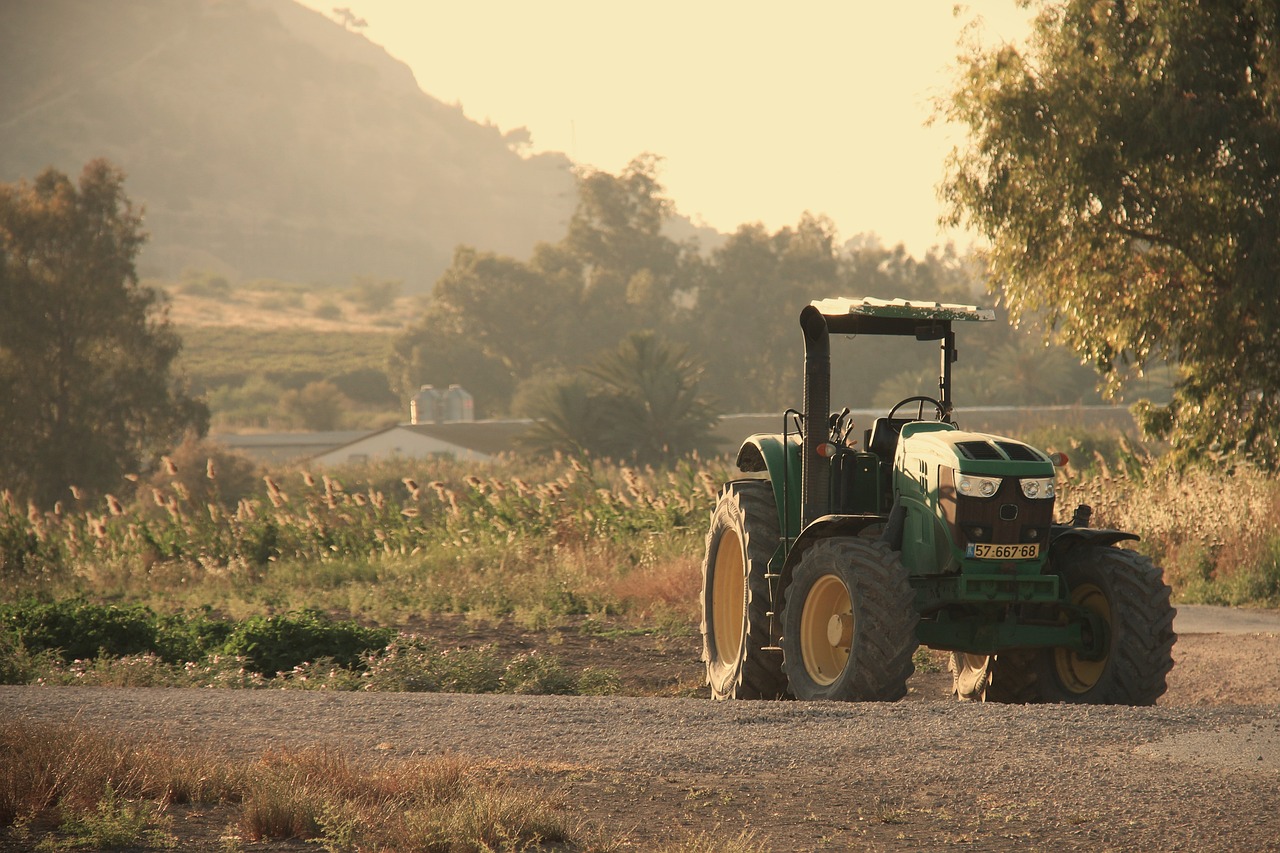
Shared equipment is one of the biggest draws. Oklahoma's guide lists drip torches, sprayer rigs, four-wheelers and a tractor and disk among the gear members pool. Photo: Pixabay.
What you get, and what you don't
OSU's guide lists three goals for a PBA: "Share Equipment," "Share Labor" and "Train Our Membership." It gives examples of pooled equipment including "a drip torch," "a slip-on cattle/herbicide sprayer," "a four-wheeler," and "a tractor and disk." For a single landowner, buying all of that for one burn a year doesn't make sense. Shared across 30 members, it does.
What you don't get is someone else taking responsibility. This is the most important part of the whole article, so I'll quote it directly. Oklahoma: "Landholder still assumes liability for the burn and must show proof of insurance prior to burning," and "the PBA does not conduct the burn, it provides assistance through equipment and labor." Oregon State University's 2026 landowner guide is just as clear: "PBAs do not supply insurance" (OSU Extension EM 9881).
The rules differ by state. Oregon, for example, set up a Prescribed Fire Claims Fund in 2024 that "covers up to $1 million in damages to a third party" for qualifying burns led by a certified burn manager. Before you join, ask the association how liability and insurance work in your state, and check with your own insurer. OSU notes that "most people don't realize that they might already have insurance."
On safety, the same Oregon guide reports that "from 2019 to 2024, PBAs in the Pacific Northwest and California conducted over 500 burns without any escapes." That's a strong record, and I suspect a lot of it comes from the rules many PBAs follow: written burn plans, minimum crew sizes, and training before you get your own land burned.
How joining usually works
Every association is different, but the guides describe a common pattern:
Join and pay dues. Often $25 a year.
Help before you're helped. OSU says "each member must assist with a certain number of burns before they are eligible for PBA assistance." You learn on other people's land first.
Write a burn plan. OSU-affiliated PBAs "require written burn plans for each burn." Experienced members usually help you write it. Our burn plan guide and free burn plan generator are a good starting point.
Prepare your unit. Build your firebreaks, get your permits, and tell your neighbors.
Burn day. The crew briefs, checks the weather against the plan, burns, and patrols until the fire is out. A safety checklist keeps everyone on the same page.
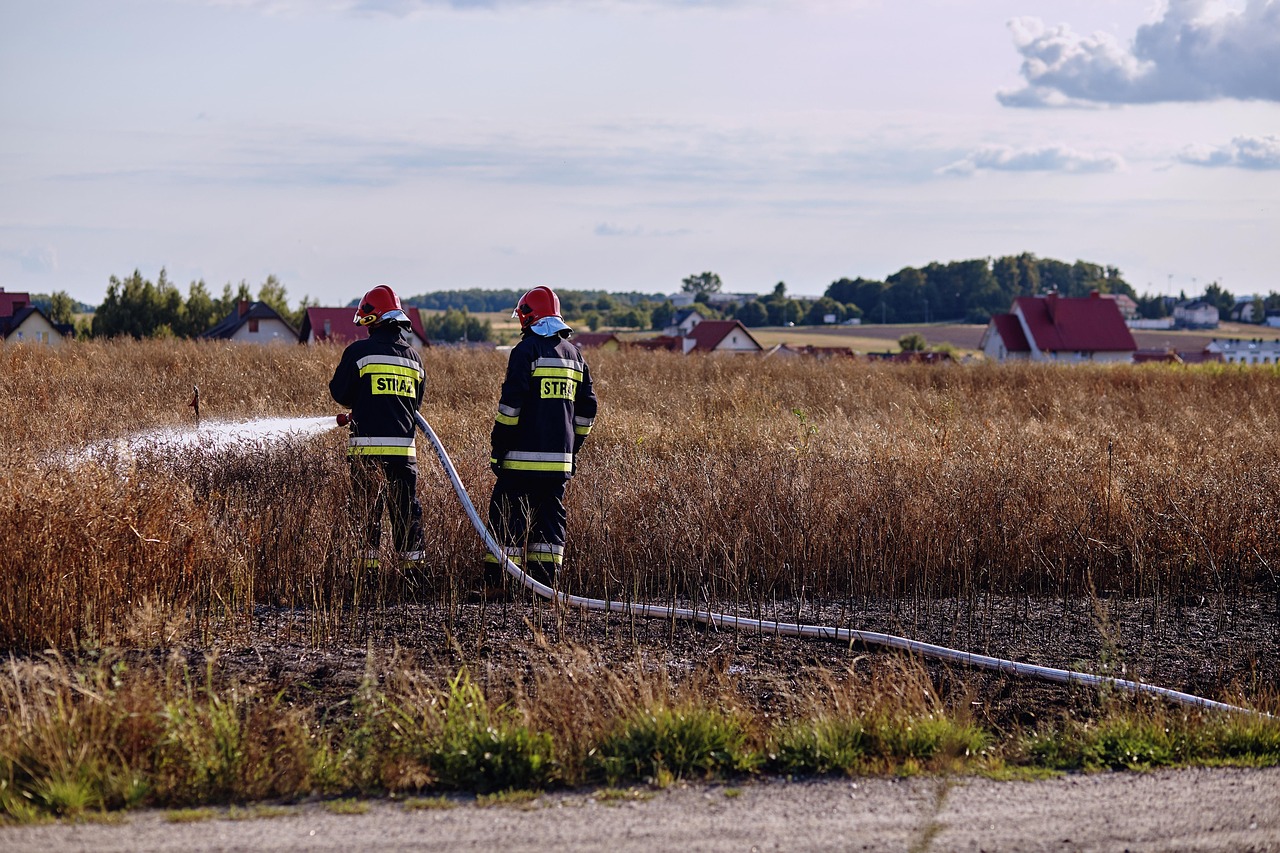
Water and people on the line are what make a burn safe to run. Many PBAs set a minimum crew size for every burn. Photo: Pixabay.
Is a burn association right for you?
From the numbers above, I'd say a PBA makes the most sense if a few things are true:
You have land that needs fire on a schedule. Grassland, pasture, pine and oak woodland often need burning every few years. If you're fighting brush, or planning spring or fall burns on a rotation, the labor pool pays off year after year.
You're willing to give time back. Most PBAs expect you to help on other members' burns. If you can only show up for your own, it's not a good fit.
You want to learn, not just hire. If you'd rather hand the whole job to someone, a contractor or agency program is a better match. A PBA is for landowners who want to become burners themselves.
Your burns are bigger than a pile. With an average burn around 128 acres, PBAs are built for land-scale fire. For brush piles or slash piles, you may not need one.
Whatever you decide, a PBA doesn't change the legal side. You'll still need the right permits for your state, and it's worth knowing what a permit doesn't cover before burn day.
Starting one from scratch
If there's no association near you, OSU Extension lays out how Oklahoma groups form. The first step is simple: "First, call a meeting of interested citizens." After that, the steps they list are:
Write and adopt bylaws and guidelines (for example, annual dues, a yearly training, and required burn plans).
Check that your name is available and file articles of incorporation with the state.
Get an EIN from the IRS and open a bank account.
Affiliate with a statewide association if your state has one. In Oklahoma, that's the Oklahoma Prescribed Burn Association, formed in 2011.
The paperwork is the easy part. The hard part is finding a handful of neighbors who are willing to show up for each other's burns, year after year. Your county extension office, a local prescribed fire council, or your state forestry agency usually knows who's already burning in your area.
Looking forward, I think the growth curve is the interesting part. If associations keep doubling roughly every eight years, there'd be something like 260 of them by the early 2030s. Whether that happens probably depends less on interest than on the things this article keeps circling back to: insurance, liability rules and enough experienced burn bosses to train the new members.
Frequently asked questions
What is a prescribed burn association?
A group of landowners and neighbors who share equipment, labor and training so members can safely burn their own land. Members usually help on other burns before getting help on their own.
How much does it cost to join a burn association?
In a 2025 national survey, annual dues ranged from $10 to $75, with a median of $25. Almost half of the associations said burning a member's land was free.
Does the burn association take on liability for my burn?
Generally no. Oklahoma's guide says the landowner still assumes liability, and Oregon's says PBAs do not supply insurance. Check your state's laws and your own insurance.
How many burn associations are there?
Recent sources count more than 130 to 140 in the United States, up from 62 in 2015. The first modern PBA formed in Nebraska in 1995.